
An Empowering Story
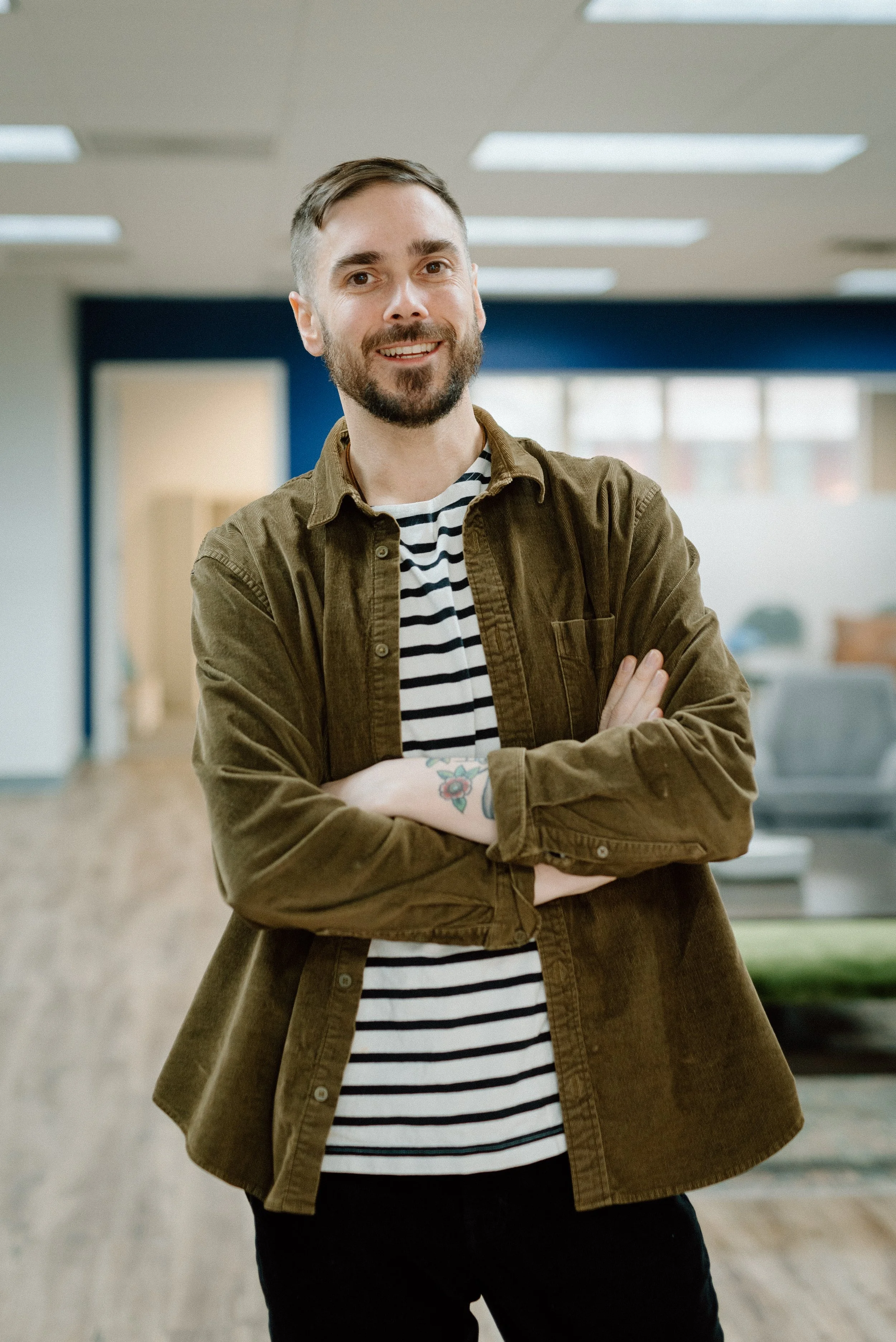
Sean Yeaton, LSW
Sean is a therapist whose work is rooted in authenticity, collaboration, and the belief that healing happens through genuine human connection. His approach is relational, compassionate, and grounded in meeting people where they are — especially during moments that feel overwhelming, uncertain, or difficult to navigate alone.
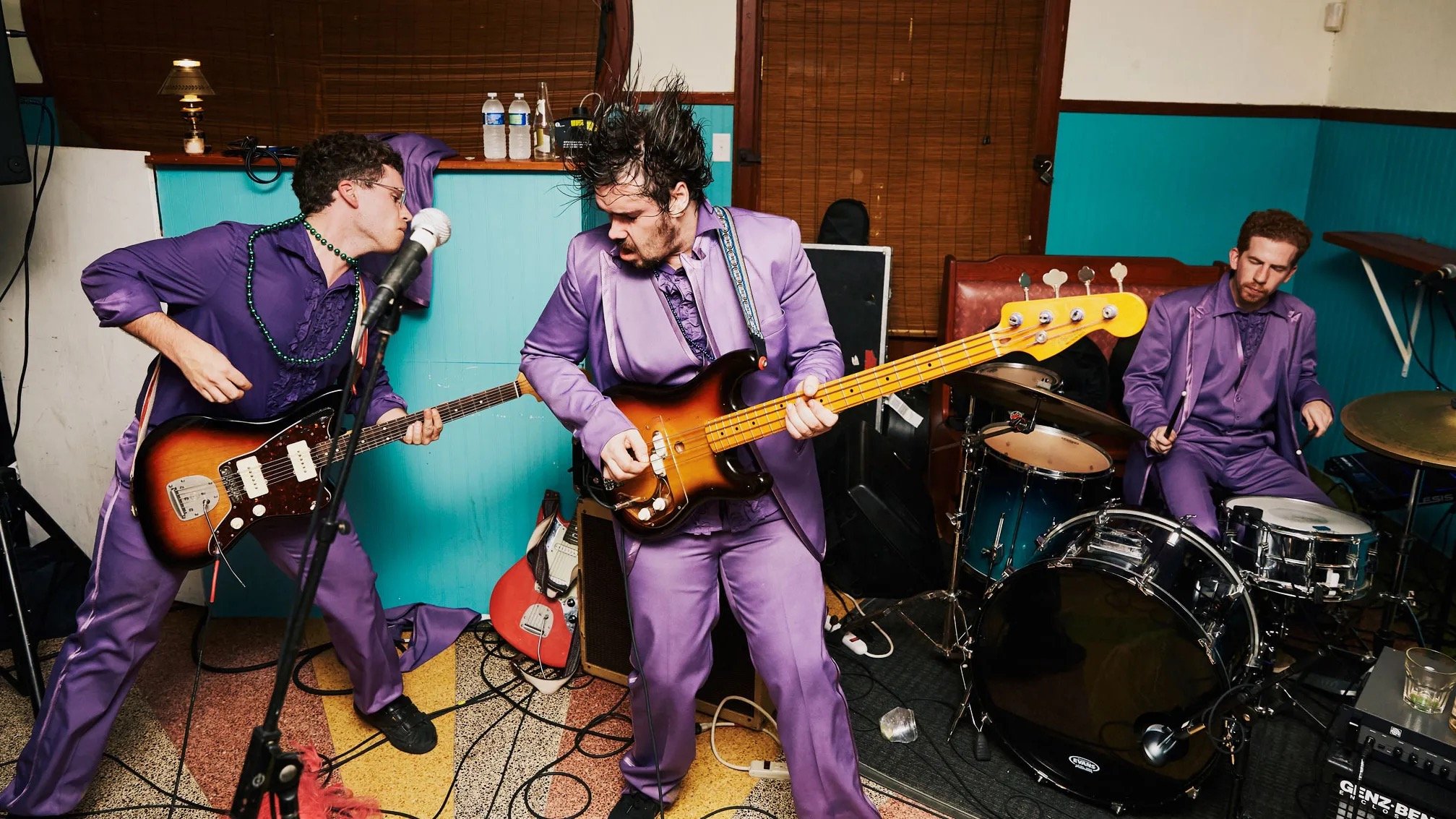
Before entering the mental health field, Sean spent years immersed in creative industries, including working in media in New York City and touring professionally as a musician. He is also the bassist for the internationally recognized indie rock band Parquet Courts, an experience that gave him a unique perspective on identity, creativity, performance, connection, and the complexities of life both on and off the stage.
Sean’s personal experiences with recovery and mental health treatment deeply shaped his path toward becoming a therapist and continue to inform the empathy and perspective he brings into his work today. He has experience supporting individuals navigating anxiety, trauma, addiction recovery, identity exploration, relationship challenges, depression, and major life transitions.
His style is grounded, human, and nonjudgmental, balancing emotional exploration with practical support and nervous system awareness. Sean is especially passionate about helping individuals who may have previously felt disconnected from therapy or uncertain about where they belong within the mental health system.
At the core of Sean’s work is a deep belief that healing happens through honesty, connection, and feeling truly understood. Outside of the therapy room, he continues to express himself creatively through music and values the role creativity, community, and authentic self expression can play in the healing process.
There was a point in my life where I genuinely believed I was running out of options. Before becoming a therapist, I spent years working in the media industry in New York City and later touring professionally as a musician. On the outside, my life often looked exciting and successful. But underneath it all, I was struggling deeply with addiction, mental health challenges, and a growing sense of hopelessness that I didn’t know how to escape. Eventually, things reached a point where I seriously considered admitting myself to a psychiatric hospital because I didn’t know what else to do. What changed the course of my life was someone suggesting a different path.
A close friend who worked as a social worker encouraged me to seek treatment, and shortly after, I entered rehab. I spent 90 days there, followed by several months in sober living, slowly rebuilding my life piece by piece. During that time, I worked with therapists, counselors, mentors, and recovery communities who helped me feel seen in a way I hadn’t experienced before. For the first time, I realized healing wasn’t about becoming a different person. It was about learning how to reconnect with myself with honesty and compassion.
Those experiences ultimately inspired me to pursue graduate school and become a therapist myself. Today, my work is deeply informed by both my clinical training and my lived experience. I know what it feels like to sit on the other side of the room unsure if things can get better. I also know how transformative it can be to have someone meet you without judgment, shame, or fear.
That belief became one of the foundations of Holding Space. I wanted to help create a therapy practice where people could show up exactly as they are — whether they’re navigating anxiety, trauma, addiction, burnout, relationship struggles, identity questions, or simply feeling overwhelmed by being human. You don’t need to have everything figured out before reaching out for support. You don’t need to be “doing badly enough.” And you certainly don’t need to navigate healing alone. Sometimes the beginning of healing is simply finding the right people to sit beside you while you figure out what comes next.
